


Access control system installation is the licensed setup of readers, locks, controllers, power, and network that decides who opens which doors and when. It blends low-voltage terminations with code-compliant electrical work. For Knoxville-area facilities, doing both together prevents downtime, passes inspections, and keeps audit trails clean.
By Aayush Patel — CEO, Alpha9 Electric
Last updated: 2026-07-12
Summary
Strong access control starts with solid power, correct door hardware, and tidy, labeled wiring. We install and commission everything end to end—electrical circuiting, low-voltage cabling, controller setup, and life-safety checks—so Tennessee businesses get dependable badges and clean egress without repeat site visits.
Picture a Knoxville retail manager arriving at 6 a.m. to a door that won’t unlock because a security-only crew shared power with the coffee station. We fix that root cause: dedicated circuits, bonded enclosures, and documented programming that works during surges, outages, and inspections.
| Provider | Alpha9 Electric — licensed Tennessee electrical contractor |
|---|---|
| In business since | 2021 |
| Availability | 24/7 emergency support |
| Service area | Statewide Tennessee; based in Kingston; Knoxville projects daily |
| Core services | Access Control Systems, CCTV Camera Installation, Commercial Wiring, Panel Upgrades & Rewiring |
Knoxville scheduling and inspection tip
Knoxville inspections book up quickly. We pre-stage materials in Kingston, wire during off-hours, and target morning inspection windows. That approach minimizes door downtime for offices, retail, hotels, and fuel stations we service across the metro.
What Access Control Installation Actually Involves (Electrical + Low-Voltage Together)
A complete install covers door hardware, controllers, network, and dedicated power on labeled, bonded enclosures. We recommend electric strikes for most interior office doors and maglocks only where fail-safe is required and supervised egress is planned.
- Hardware choices that work: Electric strikes pair well with latching doors and keep doors secure on power loss (fail-secure). Maglocks are fail-safe by default—great for egress but a poor fit for server rooms unless layered with intrusion and supervision.
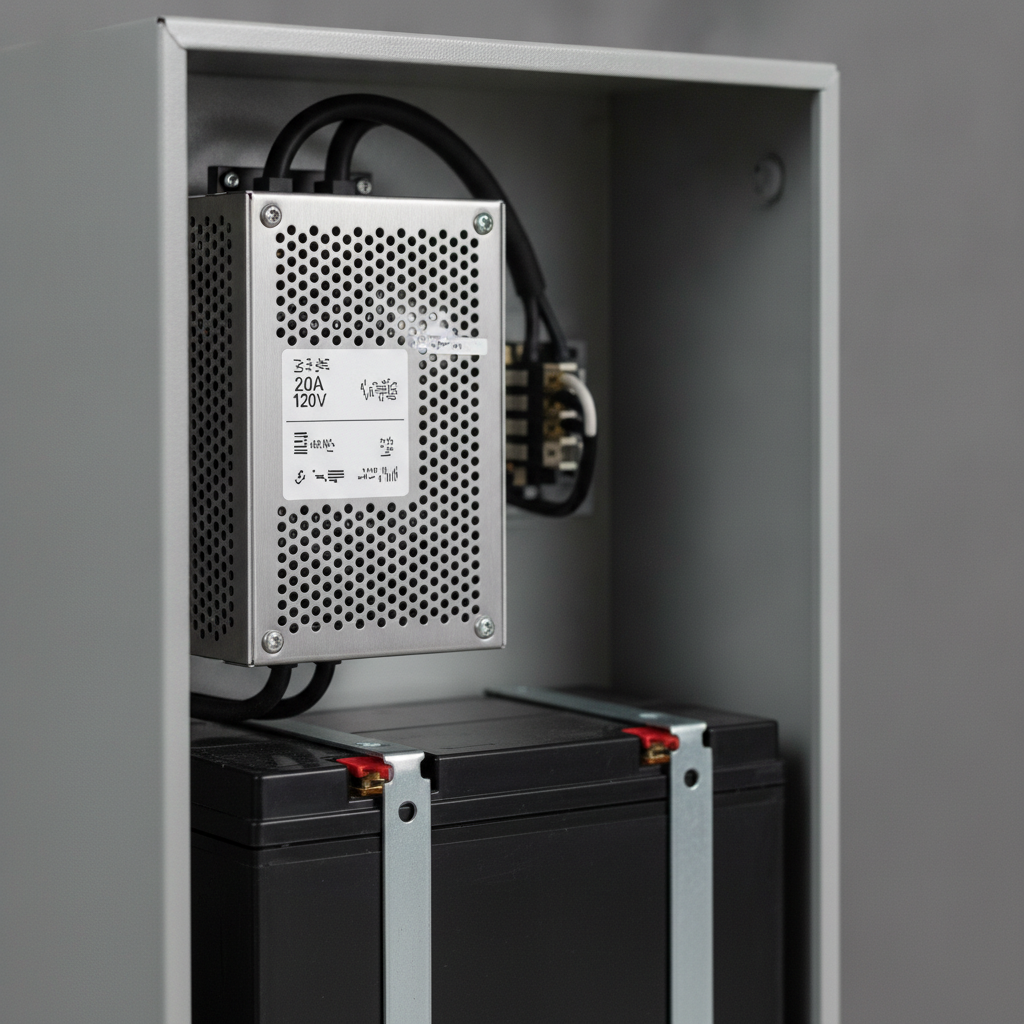
- Power that doesn’t blink: We spec a dedicated 120V, 20A branch circuit for panel-mounted supplies. For four-door cans, 12Vdc systems typically use 7Ah–12Ah batteries; we favor 12Ah in warm rooms because high ambient temps shorten life.
- Clean low-voltage runs: Listed cable, grommeted penetrations, drip loops, and labeled terminations. We bond enclosures and add surge protection to protect readers and controllers.
- Software and roles: Time schedules, door groups, and role-based privileges with an admin quick sheet left on-site.
Expect us to leave a laminated as-built inside the controller door, labeling that matches your room names, and a one-page reset/override guide for managers.
At a Glance: What You Need Before Installation Starts
Confirm door and frame condition, reserve a 20A circuit location, and arrange a network port. Decide who gets access and on what schedule. Clear prerequisites prevent rework and keep Knoxville inspections on time.
- Doors & frames: Check swing, hinge wear, latch alignment, and fire rating before ordering strikes.
- Power readiness: Identify panel space for a dedicated 120V/20A branch or confirm reuse of an existing labeled circuit.
- Network readiness: Reserve a switch port/VLAN and IP plan; confirm PoE if using IP readers.
- Egress & life safety: Plan REX sensor, door position switch, and fire-release behavior.
- Admin plan: Define roles (staff, cleaners, vendors), schedules, and escalation contacts.
Step-by-Step: How Alpha9 Electric Installs an Access Control System
We survey, pull power and low-voltage in one mobilization, mount hardware, program roles, and test fail-safe/secure behavior. Handling panel work and readers together shrinks downtime and avoids finger-pointing.
- Walk-through & design: Confirm hardware type, controller location, cable paths, and egress plan.
- Power & panel prep: Add a labeled 120V/20A branch if needed; bond and surge-protect the can.
- Mount readers & hardware: Install strikes/maglocks, REX, and door position switches with clean fitment.
- Run low-voltage: Pull listed cable, strain-relieve, and land conductors by label and polarity.
- Network & software: Provision controller, set time, roles, and door groups; enroll first badges.
- Fail-safe/secure checks: Verify fire-release, battery standby, and behavior on loss of power.
- Commission & train: Walk admins through adds/changes and leave a laminated quick sheet.
For multi-door sites, we coordinate with our commercial wiring and services team and share as-builts with facility ops. See representative projects and our security-focused guidance on system installation.
The Electrical Work Most Installers Skip (And Why It Matters)
Most callbacks trace to weak power and poor bonding. We dedicate a 20A circuit, bond the enclosure, add surge protection, and right-size standby batteries. That combination keeps readers online during HVAC starts and storms and helps pass inspections cleanly.
- Dedicated power: Avoid piggybacking on outlets that also run breakroom appliances. Voltage dips cause controller resets.
- Bonding & grounding: Bond the metal can and follow equipment grounding so surges have a safe path.
- Surge protection: Readers on exterior walls deserve transient suppression to protect electronics.
- Standby sizing: Four-door setups often run 12Vdc with 12Ah batteries; heat above 85°F cuts life dramatically, so we place cans in conditioned spaces when possible.
Curious how we integrate upgrades with other work? Review our field notes and security best practices for business sites.
Access Control + CCTV Integration: When to Bundle
Bundle with CCTV when you want video-verified entries and faster investigations. One mobilization means cleaner ceilings, shared conduit, and synchronized logs and clips.
We see the biggest wins at multi-tenant retail, hotel back-of-house, and fuel stations. Badge events matched to camera clips save managers hours. For planning ideas, read our access control guide and review commercial electrical tips.

Local Tip: Knoxville Code Compliance and Permit Requirements
Plan for separate permits (electrical and low-voltage) and schedule inspections early. Coordinate fire-release testing and egress checks with your inspector. Our crews stage from Kingston to reach Knoxville sites fast and keep doors operational during switchover.
For role definitions and gate/door procedures, training material from Accure Security provides useful context. For a system overview and planning concepts, see this industry guide. For a buyer’s checklist tailored to small businesses, review this access control guide.
Local considerations for 937 Gallaher Rd
- Book Knoxville inspections for morning windows to reduce door downtime during busy hours.
- Heat shortens battery life; we prefer conditioned spaces for controller cans and quarterly standby tests.
- Group access, CCTV, and alarm work in one mobilization to minimize return trips.
Hardware compatibility quick table
| Reader type | Common door hardware | Best used for |
|---|---|---|
| Proximity/card | Electric strike, maglock | Office entries, retail staff doors |
| Keypad/PIN | Electric strike | Low-risk or temporary access |
| Mobile/Bluetooth | Electric strike, smart lock | Staff convenience and audit trails |
We design the dedicated circuit and the low-voltage in one scope. Ask us to pre-check power, labeling, and egress before you order hardware. Start with our internal planning checklist.
FAQs
Quick answers to the most common Tennessee access control questions so you can plan with confidence and avoid rework.
How many doors can I add later?
Most platforms scale in four-door increments. We leave conduit capacity and labeled home runs so adding doors is clean. During design, we reserve a 20A branch and space for another controller can if you plan to expand.
Are maglocks or electric strikes better?
For interior offices, we prefer electric strikes because they stay locked on power loss (fail-secure) and integrate nicely with latching doors. Use maglocks where fail-safe egress is required and supervised, and be sure fire-release behavior is verified.
Do I need a new electrical circuit?
Often yes. A dedicated 120V/20A branch helps prevent brownouts from shared loads. We assess panel capacity during the walk-through and add a labeled breaker if needed, then test fail-safe/secure behavior under load.
Can access control release on fire alarm?
Yes. We design for safe egress, coordinating with your alarm contractor to release locks on alarm and verifying REX and door position behavior during inspection windows.
Key Takeaways
Reliable access control is an electrical job and a low-voltage job. Put them under one licensed contractor, dedicate power, select the right hardware, and schedule Knoxville inspections early.
- Handle electrical and low-voltage together to cut downtime.
- Reserve a 120V/20A branch and place the controller can in conditioned space.
- Choose strikes for most offices; reserve maglocks for supervised fail-safe needs.
- Bundle CCTV to align video with badge events and save mobilizations.
Ready to secure your doors? If you’re in the Knoxville area, we’ll design the dedicated power and the low-voltage together, then schedule inspections to fit your operations.


