


Electrical installation and maintenance is the professional design, setup, inspection, and care of power and low‑voltage systems. For homes and facilities near 937 Gallaher Rd in Kingston, TN, it ensures wiring, panels, lighting, generators, and security remain safe, code‑compliant, and reliable through planned testing, cleaning, and timely repairs.
By Alpha9 Electric — Licensed Tennessee electrical contractor
Last updated: June 16, 2026
At a Glance
Electrical installation and maintenance keeps your electrical system safe and dependable. In practice, it combines code‑compliant installation with scheduled inspections, testing, cleaning, and documentation. Done right, it reduces fire risk, prevents downtime, and extends equipment life for homes, businesses, and industrial sites.
Use this quick overview to find what you need fast.
- Who this is for: Homeowners, business owners, facilities managers, and developers in Tennessee.
- What you’ll learn: Definitions, why it matters, how it works, best practices, tools, and real‑world examples.
- Applies to: New construction wiring, panel upgrades, rewiring, lighting, generators, CCTV/access control, and industrial controls.
- Outcome: A safer, more reliable, inspection‑ready electrical system supported by licensed electricians.
For a deeper dive into project delivery, see our electrical construction guide and our licensed electricians overview.
What Is Electrical Installation and Maintenance?
Electrical installation and maintenance is the end‑to‑end process of designing, installing, verifying, and caring for electrical and low‑voltage systems over their life. It includes safe installation, acceptance testing, documentation, scheduled inspections, cleaning, adjustments, and repairs to keep systems code‑compliant and reliable.
At Alpha9 Electric, we deliver this lifecycle approach across residential, commercial, and industrial environments.
- Installation scope: New construction wiring, service entrances, grounding and bonding, panelboards, branch circuits, lighting, receptacles, equipment hookups, and low‑voltage (CCTV, access control, network cabling).
- Maintenance scope: Infrared scans, torque checks, breaker testing, GFCI/AFCI verification, cleaning enclosures, replacing worn devices, updating labels, and documenting work.
- Acceptance and turnover: As‑built drawings, panel schedules, labeling, test results, and owner training.
Because conditions and loads change, maintenance is not a one‑time event. It’s a recurring program that tunes your system to how you actually live or operate.
Why Electrical Installation and Maintenance Matters
It prevents fires and shocks, avoids downtime, and keeps insurance and inspections smooth. For properties around 937 Gallaher Rd and across Roane County, consistent maintenance aligns your system with real‑world loads, seasonal weather, and code updates—reducing risk while improving comfort and productivity.
Here’s why the right installation and an ongoing maintenance plan pay off.
- Life safety first: Correct conductor sizing, grounding, GFCI/AFCI protection, and tight terminations lower the chance of overheats and shock events.
- Reliability: Proactive breaker testing, torque checks, and cleaning reduce nuisance trips and surprise outages.
- Compliance: Documentation, labeling, and inspection‑ready work simplify approvals for remodels and commercial fit‑outs.
- Energy and comfort: LED lighting and smart controls improve light quality and can reduce energy use substantially compared with legacy lamps.
- Asset life: Keeping heat and vibration in check helps motors, panels, and generators last longer.
In our experience serving Tennessee homes, restaurants, convenience stores, hotels, and plants, maintenance programs routinely uncover small issues (loose lugs, failing GFCIs) before they escalate into outages.
How Electrical Installation and Maintenance Works
A reliable program follows a clear sequence: assess loads and risks, design to code, install with verification, document everything, and maintain on a set cadence. Each step includes checklists, tests, and sign‑offs so your system performs safely from day one.
Alpha9 Electric’s field‑proven approach blends craftsmanship with measurable controls.
Step‑by‑Step process (from design to upkeep)
- Assess and plan: Identify service size, critical loads (HVAC, refrigeration, IT), shock/fall hazards, and low‑voltage coverage.
- Engineer and permit: Layout feeders, panels, circuits, fault current, grounding, and device locations. Prepare drawings and submittals.
- Install and label: Pull conductors, set panels, make terminations with proper torque, label devices and circuits, and verify polarity.
- Test and document: Continuity, insulation resistance, GFCI/AFCI function, lighting levels, generator transfer testing, and record results.
- Maintain and improve: Schedule infrared scans, breaker exercising, cleaning, firmware updates for smart controls, and keep panel schedules current.
Typical maintenance cadence by asset
| Asset | Commissioning checks | Recurring tasks | Suggested interval |
|---|---|---|---|
| Main/service panel | Torque verification, thermal scan, labeling | IR scan, retorque, dust removal | Annual; semiannual in high‑load sites |
| Branch circuits | Continuity, polarity, load balancing | Spot checks, receptacle testing | Annual |
| Lighting | Illuminance test, control calibration | Clean lenses, sensor recalibration | 6–12 months |
| Generators/ATS | Load test, transfer verification | Exercise runs, fuel/air checks | Monthly runs; annual load test |
| GFCI/AFCI | Functional test | Push‑button test; replace if failing | Quarterly |
| CCTV/Access control | Camera focus, credential test | Firmware, battery, storage checks | Quarterly |
For a checklist you can adapt, save our electrical maintenance guide. It complements our installation overview with field steps and documentation tips.
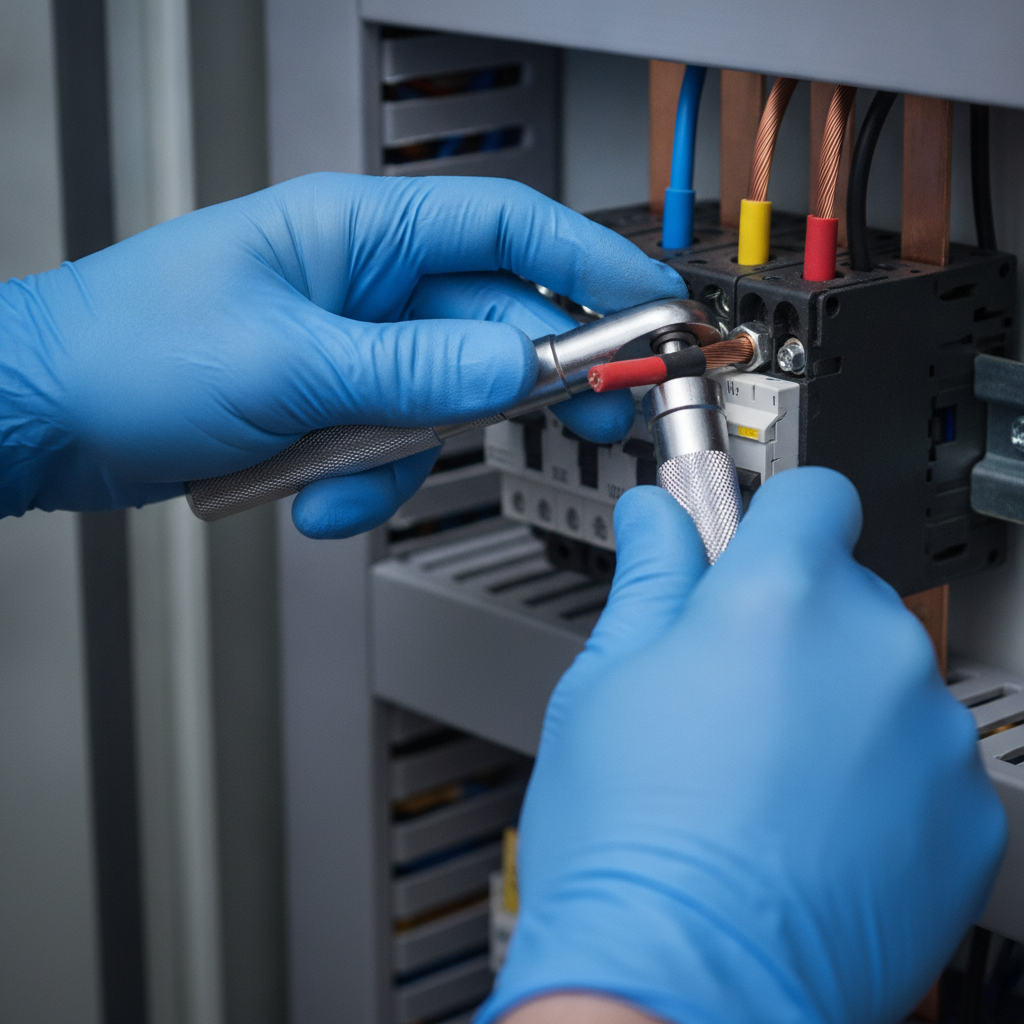
Systems Covered: Residential, Commercial, and Industrial
The same fundamentals apply across homes, businesses, and plants: correct sizing, protection, labeling, and documentation. Differences come from load profiles, environments, and regulatory requirements, which change how we select equipment, schedule maintenance, and verify safety.
Alpha9 Electric works across these environments daily.
Residential highlights
- Panel upgrades & rewiring: Replace aging panels, add AFCI/GFCI protection, and bring older homes up to modern code expectations.
- Lighting and controls: LED retrofits, dimmers, occupancy sensors, and smart switches to enhance comfort and efficiency.
- Backup power: Standby generator installation and transfer switch testing to keep essentials running during storms.
Commercial considerations
- Retail and restaurants: Balanced circuits for cooking and refrigeration, emergency lighting, and regular GFCI testing in wet areas.
- Offices and hotels: Load management for HVAC and elevators, low‑voltage integration (CCTV/access control), and documented inspection logs.
- Fuel/convenience: Classified locations, lighting levels for forecourts, and robust grounding for sensitive dispensers and POS.
Industrial focus
- High‑voltage and MCCs: Proper PPE, lockout‑tagout, torque verification, and thermal scanning around buswork and starters.
- PLC/automation: Clean power, surge protection, and preventive checks on enclosures, fans, and firmware backups.
- Uptime: Redundant feeds where practical, plus documented test routines for critical motors and transfer switches.
For a broader planning lens, explore our commercial electric systems primer and our commercial and residential electrician guide.
Best Practices for Safe Installation
Safe installation starts with correct conductor and breaker sizing, tight and labeled terminations, and protection devices suited to the space. Add clear documentation and a clean work area. These practices make inspections faster and reduce rework during future upgrades.
Below are practices we apply on every Alpha9 Electric job.
- Right‑sized feeders and breakers: Match ampacity to loads and temperature ratings; avoid shared neutrals unless designed and labeled.
- Grounding and bonding: Verify continuity, bonding jumpers, and grounding electrode conductors, especially in remodels.
- Protection where needed: GFCI where water is present; AFCI in living areas; surge protection for sensitive electronics and automation.
- Labeling and documentation: Durable labels at panels, devices, and low‑voltage head‑ends; current one‑line diagrams and panel schedules.
- Environmental considerations: Use NEMA‑rated enclosures outdoors or in corrosive/wet spaces; seal penetrations to preserve ratings.
- Quality terminations: Use torque tools, ferrules as appropriate, strain relief, and neat routing to improve cooling and serviceability.
Neat, labeled work wins twice: it performs better now and makes the next change easier and safer.
Preventive Maintenance That Actually Works
Effective maintenance targets heat, moisture, and movement—the three forces that degrade electrical gear. Combine thermal scans, torque checks, cleaning, and functional testing on a schedule, then track findings in a simple log that drives repairs before failures occur.
Here’s a practical, field‑tested mix.
- Infrared thermography: Scan panels and switchgear for hot spots caused by loose or overloaded connections.
- Mechanical tightening: Re‑torque main lugs, breakers, contactors, and neutral bars to spec—especially after high‑load seasons.
- Functional testing: Exercise breakers, test GFCI/AFCI, verify e‑stop circuits, and transfer generators under controlled load when feasible.
- Housekeeping: Remove dust, check for moisture ingress, replace damaged covers, and keep clear working space around equipment.
- Recordkeeping: Maintain a maintenance log with date, device, reading, and actions taken; this speeds insurance and inspections.
Want a structured template? Our home electrical safety guide pairs well with a facility‑level logbook.
Low‑Voltage: Security and Controls
Low‑voltage systems—CCTV, access control, alarms, and networks—benefit from the same discipline as power: clean installation, secure terminations, firmware updates, and documented credentials. These details prevent nuisance faults and strengthen safety and security.
Alpha9 Electric integrates security with electrical so you have one accountable partner.
- CCTV camera installation: Proper PoE power budgets, surge protection at exposed runs, and clean head‑end labeling for rapid retrieval.
- Access control: Credential testing, door position switch checks, and battery health monitoring on controllers and strikes.
- Network cabling: Tested terminations, bend‑radius discipline, and documented patching to avoid mystery outages.
For practical planning, see our security and power integration tips embedded in the commercial primer.
Generators and Power Resilience
Backup generators protect essentials during storms and grid events. The right design starts with a clear critical‑load list, a properly sized transfer switch, and routine exercise runs with documented results. This combination keeps outages from becoming emergencies.
In Tennessee, weather swings and summer storms make standby power a smart safety net for homes and businesses.
- Right‑size the system: Identify critical loads (HVAC compressors, refrigeration, well pumps, network) and balance phases.
- Transfer switch basics: Use listed equipment, verify neutral switching as required, and label emergency circuits clearly.
- Exercise schedule: Run the set regularly; log voltage, frequency, and any alarms; investigate deviations promptly.
- Fuel and air: Keep filters and lines clean; ensure safe clearances and ventilation.
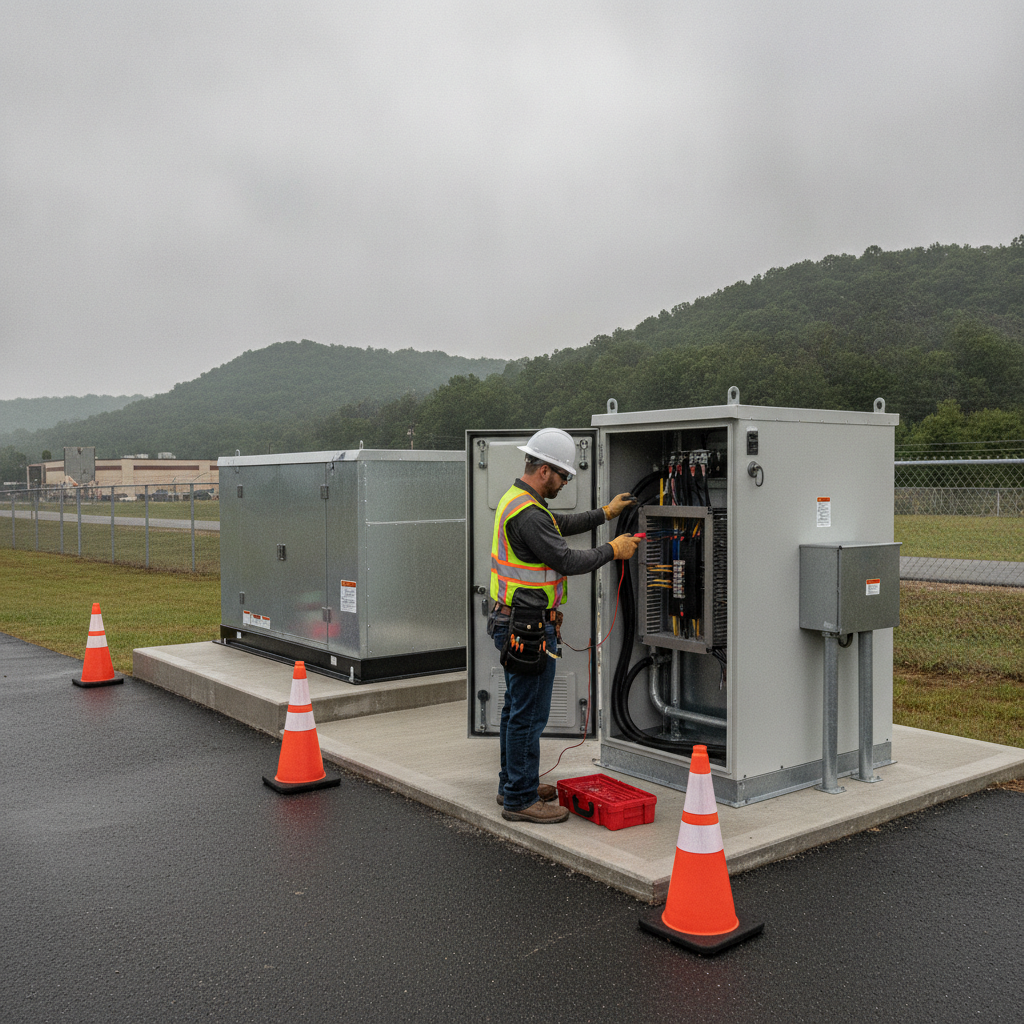
For a service roadmap, our Tennessee services page lists installation, testing, and maintenance support.
Documentation, Inspections, and Code Readiness
Inspection‑ready projects share three traits: accurate drawings and labels, test records, and tidy workmanship. Keeping these current turns final inspection into a checklist review instead of a discovery process—saving time and stress for owners and GCs.
Documentation is your memory. Keep it fresh and findable.
- Panel schedules: Update after any circuit change; print and store digitally.
- Test records: Keep GFCI/AFCI tests, insulation resistance, and generator run logs.
- As‑builts and photos: Note conduit routing, device counts, and enclosure sizes; photos help future troubleshooting.
- Labels and directories: Durable, legible labels at panels, transfer switches, and low‑voltage racks.
Owners and inspectors appreciate organized documentation—and it accelerates upgrades when your needs evolve.
Local Maintenance Tips for Kingston, TN
In Kingston and broader Roane County, heat, humidity, and summer storms drive practical maintenance: keep enclosures dry, exercise generators, and re‑torque connections after high‑load seasons. These steps help your system handle real Tennessee conditions without surprises.
Local considerations for Kingston and Roane County
- Schedule thermal scans and re‑torque work shortly after peak‑load seasons (summer HVAC, winter heating) to catch heat‑related loosening.
- Plan generator exercise runs before storm seasons and confirm transfer sequencing for refrigeration and HVAC.
- For restaurants and fuel/convenience sites, align maintenance windows with slower traffic periods and document GFCI checks in wet prep areas.
Working across East Tennessee, we’ve found this timing keeps facilities productive while protecting critical equipment.
Alpha9 Electric in Action: Case Examples
Real projects show how installation quality and steady maintenance prevent problems. From panel upgrades in older homes to retail fit‑outs and plant controls, consistent discipline delivers safer operation, fewer callouts, and smoother inspections.
Here are brief examples drawn from our Tennessee portfolio.
- Kingston home panel upgrade: We replaced an aging panel, added AFCI/GFCI protection, labeled all circuits, and logged tests. Follow‑up maintenance found and fixed a warm lug before it tripped during a heat wave.
- Restaurant lighting + circuits: Balanced cooking loads, installed LED task and ambient lighting, and documented emergency egress lighting tests. Quarterly GFCI checks now take minutes thanks to labeling.
- Fuel station retrofit: Upgraded forecourt lighting, improved grounding at dispensers, and integrated CCTV coverage. A scheduled infrared scan flagged a loosening contactor early—resolved during off‑hours.
- Industrial MCC service: Performed torque checks, replaced a failing overload relay, and updated the single‑line. The plant avoided an unplanned stop during a critical run.
For more planning context, read our industry safety overview and how to choose an electrical company.
Tools, Technology, and Resources
Good tools make safer, faster work: calibrated torque drivers, reliable multimeters, thermal imagers, labelers, and lockout‑tagout kits. Pair them with clear checklists and digital logs so findings drive action—not just notes that get lost.
Here’s a practical kit we deploy across homes, businesses, and plants.
- Test and measure: True‑RMS meter, non‑contact voltage tester, insulation resistance tester, and clamp meter.
- Thermal and visual: Handheld thermal camera and bright work lights for panel interiors and ceilings.
- Mechanical: Calibrated torque wrench/drivers, ferrule crimper, and cable management hardware.
- Labeling and docs: Heat‑shrink or durable labels for circuits and devices; digital templates for panel schedules and logs.
- Safety: Lockout‑tagout kit, arc‑rated PPE, and insulated hand tools sized for the task.
For DIY‑level safety context (even if you ultimately hire a pro), skim this residential electrician guide. It reinforces why torque, labeling, and documentation matter.
Free assessment: Want a quick, no‑obligation look at your panel, grounding, and backup power needs? Request a short consultation on our services page. We’ll outline practical next steps.
Implementation Checklists
Use concise checklists to convert best practices into action. Capture what you tested, what you found, and what you fixed. Over time, these small notes become a roadmap that speeds inspections and prevents repeat issues.
Installation day
- Confirm permits and drawings on site; verify service size and grounding.
- Label panels and circuits as you go; keep panel schedules current.
- Torque to spec; photograph key terminations before covers go on.
- Test GFCI/AFCI, continuity, and polarity; document results.
Quarterly maintenance
- Thermal scan main/branch panels and MCCs; note any hot spots.
- Push‑test GFCI/AFCI; replace any non‑functional devices.
- Clean and re‑torque as needed; reseal outdoor penetrations.
- Run generator exercise; log readings and any alarms.
Annual review
- Update one‑line diagrams and asset inventories.
- Recalibrate lighting controls and sensors; clean fixtures.
- Audit low‑voltage head‑ends (CCTV/access control) for storage, batteries, and firmware.
- Archive the year’s logs; plan next year’s improvements.
Frequently Asked Questions
Homeowners and facility teams ask about timing, scope, and who should do the work. Here are concise answers to the questions we hear most in Tennessee, tailored to safety, reliability, and inspection readiness.
What does electrical installation include?
It covers service entrances, panels, grounding, branch circuits, lighting, and device hookups, plus low‑voltage like CCTV or access control. A complete job ends with testing, labeling, and as‑built documentation so owners and inspectors can verify safety.
How often should electrical maintenance be done?
Most homes benefit from an annual check. Commercial kitchens, fuel stations, and plants often need quarterly thermal scans, GFCI tests, and torque checks due to higher loads and harsher conditions. Critical facilities add monthly generator exercise runs.
Do I need a licensed electrician for low‑voltage work?
Yes—especially when systems share pathways with power or need integration with life‑safety devices. Professionals ensure proper power budgets, surge protection, labeling, and documentation so maintenance and troubleshooting stay simple and safe.
What’s the benefit of documentation?
Accurate panel schedules, test logs, and photos turn inspections into quick reviews. They also speed future upgrades and cut downtime because technicians can find and fix issues without guesswork.
Key Takeaways
Start with safe, labeled installation; keep a recurring maintenance rhythm; and document everything. Those three habits drive safety, reliability, and easier inspections for homes, businesses, and industrial facilities across Tennessee.
- Electrical installation and maintenance is a lifecycle discipline—not a one‑time task.
- Target heat, moisture, and movement; they cause most electrical wear.
- Logs, labels, and photos make inspections faster and upgrades cleaner.
- In Kingston and Roane County, plan around storms and seasonal loads.
If you’re planning a project or need a maintenance program, our team can help align scope, safety, and timing with your goals.
Next step: Book a quick walkthrough with Alpha9 Electric in Kingston, TN. Visit our local services hub to get started.


