


Alarm systems are integrated security solutions that detect and deter threats like intrusion, fire, and environmental hazards. They use sensors, control panels, and alerts to notify you and—if monitored—a central station. For homeowners and businesses near 937 Gallaher Rd in Kingston, TN, Alpha9 Electric designs and installs alarm systems that protect people, property, and operations.
By Aayush Patel • CEO, Alpha9 Electric
Last updated: 2026-06-05
Quick Summary
An effective alarm system blends intrusion, life safety, and smart automation into one responsive platform. Choose the right sensors, decide on professional monitoring, and integrate CCTV and access control. In Kingston and across Roane County, Alpha9 Electric installs code-compliant systems and provides maintenance for reliable 24/7 protection.
- What you’ll learn: Basics, types, components, and how alarm systems work.
- Decisions you’ll make: Wired vs. wireless, monitored vs. self-monitoring, sensor mix.
- Outcomes to expect: Faster detection, fewer false alarms, streamlined audits, and stronger peace of mind.
- Who this helps: Homeowners, retailers, restaurants, offices, hotels, fuel stations, and plants across Tennessee.
What Are Alarm Systems?
An alarm system is a network of sensors, a control panel, and alerting devices that detect intrusion, fire, or hazards and trigger visible, audible, and digital notifications. Modern systems unify burglar, fire, and environmental detection with mobile apps, automation, and optional 24/7 professional monitoring.
At its core, an alarm system makes risk visible in time to act. Sensors observe doors, windows, rooms, and building conditions. When a threshold is crossed, the control panel verifies and triggers sirens, lights, and notifications. With professional monitoring, trained agents coordinate emergency response.
Core functions
- Detect entry, motion, glass break, smoke/CO, water leaks, and temperature swings.
- Decide using panel logic, zones, arming modes, and cross-zoning to reduce false alarms.
- Dispatch local alerts (sirens, strobes) and remote alerts (push, text, calls) and, if monitored, first responders.
Where Alpha9 Electric fits
- We engineer, install, and integrate alarms with CCTV and security systems for homes and businesses.
- We connect alarms to building lighting and access control for one-touch lockdowns and safer evacuations.
- We service mixed-use sites (retail + fuel, hotel + restaurant) across Tennessee with one team.
Why Alarm Systems Matter in Kingston and Roane County
For properties near 937 Gallaher Rd and across Roane County, layered alarm systems shorten response time, deter break-ins, and support safety audits. When paired with lighting and CCTV, you gain verification, evidence, and faster resolution—day or night—backed by Alpha9 Electric’s licensed installation and maintenance.
Risk doesn’t keep office hours. Break-ins tend to target predictable schedules. Kitchens and mechanical rooms carry ignition sources. Freezer rooms, server closets, and stock rooms need continuous oversight. A well-tuned alarm helps you catch the first sign of trouble, from forced entry to rising heat.
- Deter and verify: Visible cameras and window decals reduce attempts; recorded clips support investigations.
- Protect people: Smoke and CO detection, panic buttons, and pro monitoring support faster response.
- Safeguard operations: Temperature and water sensors preserve inventory, IT rooms, and kitchens.
- Ease compliance: Digital logs and health checks simplify inspections and insurance questionnaires.
Local considerations for Kingston and Roane County
- Storm season can cause outages. Pair alarms with standby power and surge protection to keep sensors online.
- Holiday travel and lake-season weekends change occupancy patterns. Adjust arming schedules and camera alerts accordingly.
- Many sites mix front-of-house and back-of-house needs. Use zones and user codes to separate access by role.
How Alarm Systems Work
Alarm systems collect sensor signals, evaluate them in a control panel, then trigger sirens and notifications. If professionally monitored, the panel sends an event to a central station, which verifies and contacts first responders. Smart integrations also switch lights, lock doors, and start camera recording.
Signal flow at a glance
- Sensing: Contacts, motions, glass-break, smoke/CO, water, and temperature feed the panel.
- Decision: Panel logic (zones, delays, cross-verify) classifies events to avoid false trips.
- Alerting: Siren/strobe on-site; app push/text/call off-site; optional central station dispatch.
- Automation: CCTV bookmarks clips; lights turn on; doors lock; HVAC/fans adjust for smoke.
| Stage | What Happens | Your Options | Alpha9 Value |
|---|---|---|---|
| Detect | Sensors trip when thresholds are crossed | Choose contact, motion, glass, smoke/CO, water, temp | We right-size sensor mix for rooms and risks |
| Decide | Panel applies delays, entry/exit, cross-zones | Set arming modes and verification rules | We program to reduce false alarms |
| Dispatch | Sirens, app alerts, and optional pro monitoring | Self-monitor or central station | We integrate cellular/IP redundancy |
| Automate | Cameras record; lights and locks react | Link CCTV, access control, lighting | We deliver end-to-end integration |
In our experience, reliability isn’t about one device—it’s the whole chain: solid wiring or encrypted wireless, good panel programming, dependable power, and clear procedures. We build redundancy so your system stays online when it matters.
Types of Alarm Systems
Most properties benefit from a hybrid alarm approach: intrusion detection on the perimeter, life safety for smoke/CO, and environmental sensors where leaks or temperature swings cause damage. Choose wired for permanence, wireless for speed, and pro monitoring for coordinated response.
By purpose
- Intrusion/burglar: Door/window contacts, motions, glass-break; sirens deter; cameras verify.
- Life safety: Smoke and carbon monoxide detectors; sounders and voice alerts assist evacuations.
- Environmental: Water leak, temperature, and humidity sensors protect IT, kitchens, and coolers.
- Panic/duress: Under-counter or wearable buttons for front desks, registers, or back offices.
- Smart automation: Scenes that arm, set lights, and lock doors by schedule or geofence.
By architecture
- Wired: Highest stability and no batteries; ideal for new builds and renovations.
- Wireless: Fast installs and flexible expansion; look for encrypted communication.
- Hybrid: Use existing wiring and add wireless where it saves time and disruption.
By monitoring
- Self-monitored: App alerts you directly; best for tech-savvy users and small sites.
- Professionally monitored: 24/7 central station verifies and coordinates responders.
Not sure which mix fits your space? Our licensed electricians in Kingston design systems that scale from homes to multi-tenant sites.
Key Components and Sensors
Every alarm system includes a control panel, a keypad or app, sensors, and alerting devices. Add cameras, smart locks, and lighting for visibility and control. The right sensor mix eliminates blind spots and cuts false alarms, ensuring action-worthy alerts.
Control and user access
- Control panel/hub: The brain that receives sensor data and executes rules.
- Keypads and readers: PINs, cards, or mobile credentials; tie into access control policies.
- Mobile apps: Arm/disarm, view logs, watch clips, and receive alerts from anywhere.
Intrusion detection
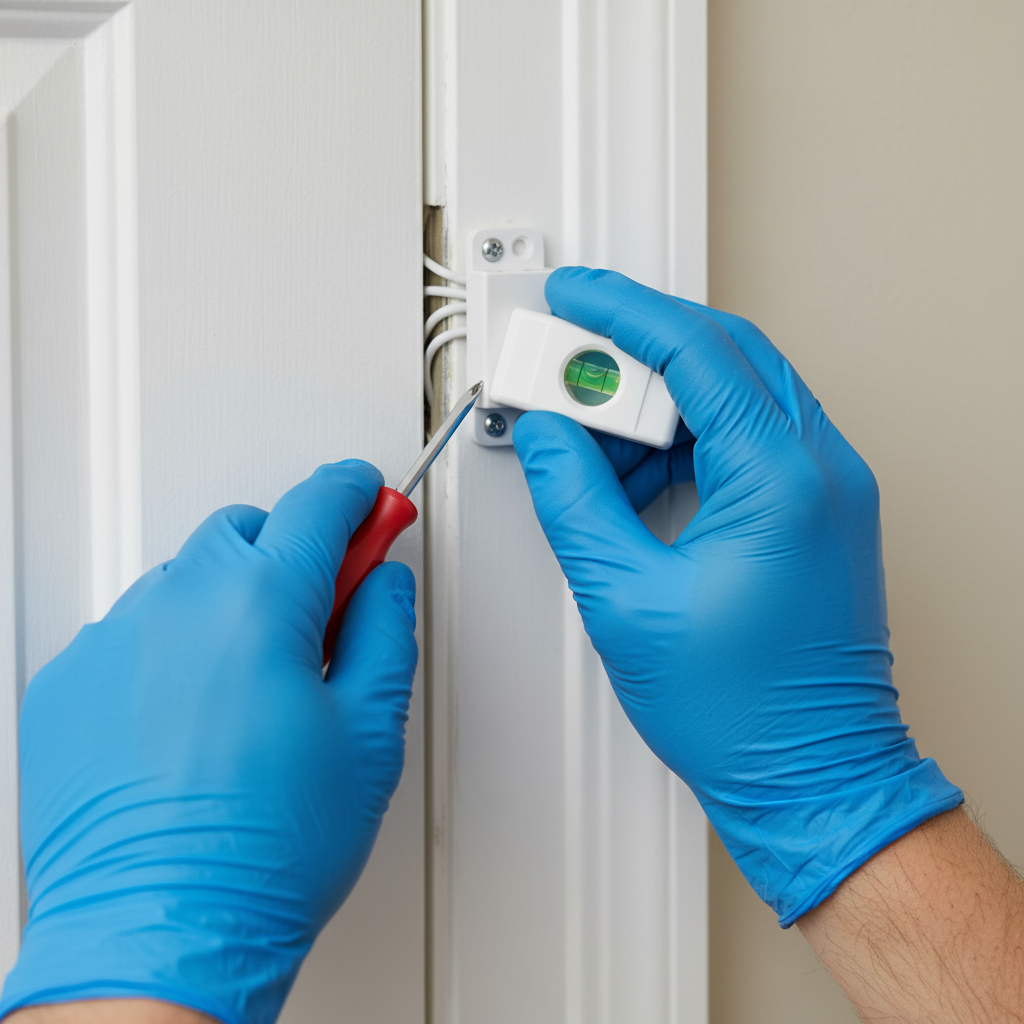
- Door and window contacts: Magnetic sensors on openings; critical for perimeter security.
- Glass-break sensors: Listen for shatter signatures; complement contacts on storefront glass.
- Motion detectors (PIR/dual-tech): Catch movement in rooms and hallways; pet-immune options help homes.
Life safety and environmental
- Smoke and CO detectors: Required in sleeping areas and many commercial occupancies.
- Water leak sensors: Place near sinks, ice machines, water heaters, and server racks.
- Temperature/humidity sensors: Protect walk-ins, labs, or storage with narrow tolerances.
Alerting and resilience
- Sirens and strobes: On-site deterrence and evacuation cues.
- Cellular/IP communicators: Event reporting with path redundancy.
- Power and surge protection: Battery backup and surge devices help ride through storms.
We commonly pair alarm panels with smart lighting so perimeter lights turn on when motion trips at night—boosting both safety and video clarity.
Integration with CCTV, Access Control, and Lighting
Integrating alarms with CCTV, access control, and lighting strengthens security and reduces friction. Alarms trigger camera bookmarks, lock or unlock doors by rule, and stage lights for visibility. One dashboard shows events, clips, and user activity for faster decisions.
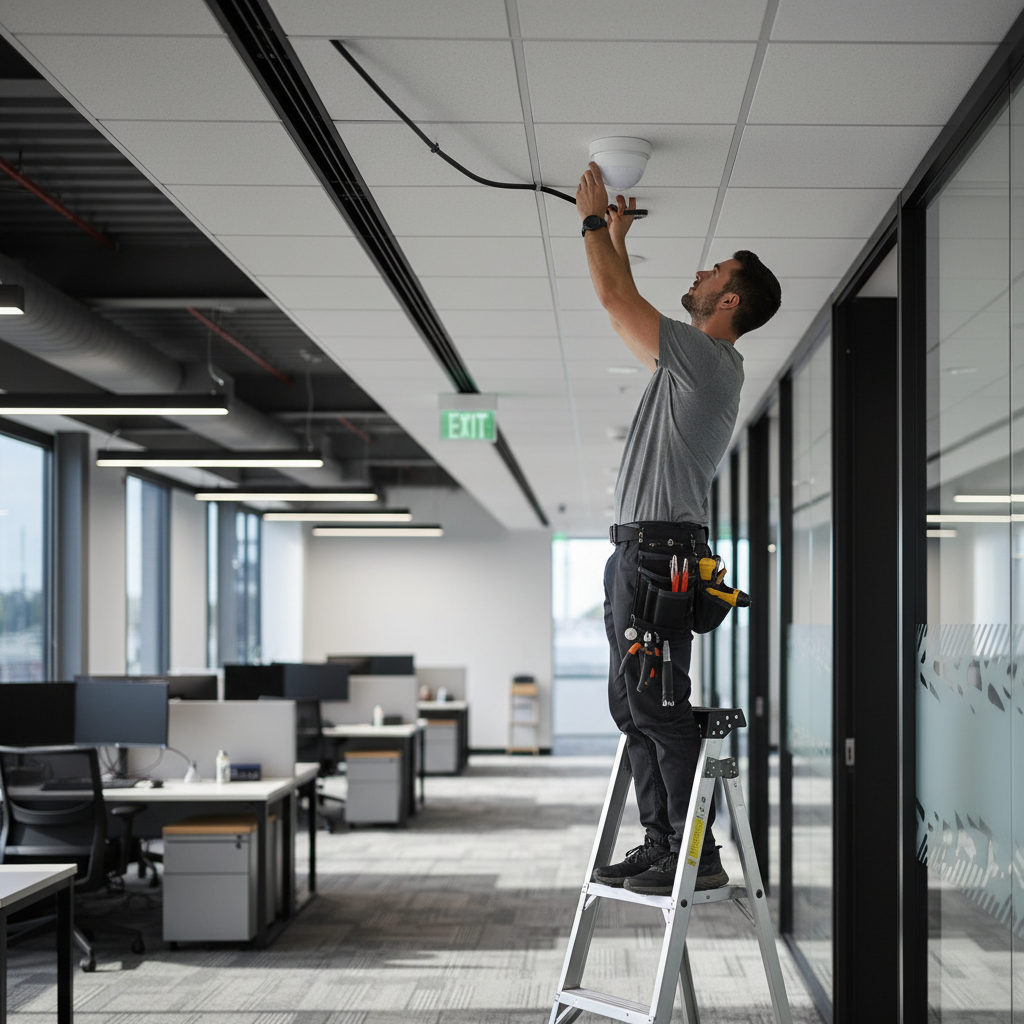
Integration turns raw alerts into useful context. When a door contact trips, your cameras can jump to that zone, while lights brighten the scene. Access rules can allow emergency exit while securing sensitive rooms. Our team synchronizes alarm panels with CCTV best practices and site lighting so your responders see what’s happening, not just that something happened.
For multi-site operators, consistent naming, user roles, and reporting make audits smoother. We also recommend pairing security systems with standby power from our generator and electrical services team so critical sensors keep reporting during outages.
To see how professional workflows come together locally, review this security system installation in Kingston and a CCTV installation example—both illustrate integrated alarm and video approaches that scale.
Best Practices for Installation and Maintenance
Plan zones by risk, place sensors to avoid false triggers, document user roles, and test weekly. Keep panels updated and back them with clean power. Schedule professional inspections to ensure code compliance and consistent performance.
Design for coverage, not clutter
- Zone by purpose: Separate front-of-house, stock rooms, mechanical spaces, and exterior perimeters.
- Layer defenses: Contacts at entries, motions in aisles/halls, and cameras watching chokepoints.
- Mind the environment: Avoid HVAC vents and moving signage that cause motion false alarms.
Program for real life
- Entry/exit delays: Fit your opening/closing routine without inviting tailgating.
- User codes and schedules: Assign by role; log events; remove access promptly.
- Cross-verification: Use dual triggers (e.g., motion + contact) before dispatch where practical.
Operate with confidence
- Test cadence: Weekly arming/disarming tests and monthly sensor confirmations.
- Power hygiene: Battery replacements and surge protection for panels and communicators.
- Documentation: Keep maps, device IDs, and procedures handy for staff onboarding.
We document every install and train your team on first-day operations, then provide ongoing maintenance so the system you bought stays the system you rely on.
Tools and Resources You Can Use
Use a smartphone app for alerts and control, a central dashboard for multi-site management, and a maintenance checklist to keep sensors healthy. Keep a laminated zone map on-site and a digital copy in your team’s shared drive.
- Mobile apps: Arm/disarm, view clips, and receive alerts from anywhere.
- Central dashboards: Aggregate events across stores, offices, or buildings for pattern insight.
- Maintenance checklist: Clean lenses, test sirens, verify each zone monthly.
- Site documentation: Updated user list, zone map, and contact tree for incident response.
Ready to plan? Start with our service overview and schedule a walkthrough using Alpha9 Electric’s services page. If you prefer a step-by-step homeowner guide first, try this home alarm installation primer.
Case Studies and Examples from Tennessee
Across Tennessee, we combine alarm, CCTV, access control, and lighting to solve real problems. From deterring after-hours theft to protecting coolers and server closets, the theme is consistent: faster awareness with cleaner evidence and fewer disruptions.
- Retail + fuel: A convenience store added panic buttons at the counter, linked to cameras and exterior floods. Outcome: faster police notification and clearer license plate video.
- Hospitality: A hotel tied smoke detection to stairwell lighting and camera bookmarks. Front desk receives app alerts for quicker floor checks.
- Office build-out: An office used role-based access and alarm zones. HR can instantly remove credentials; IT gets temperature alerts for the server room.
- Manufacturing: A plant deployed water sensors in pump rooms and temperature sensors near production storage. The maintenance team receives targeted alerts by shift.
Want a local perspective? Our Kingston security setup guide shows how we tune sensor placement and lighting for the region’s buildings and weather.
Frequently Asked Questions
Home and business buyers ask about monitoring, wired vs. wireless gear, and how alarms integrate with cameras and access. Here are clear answers to the top questions we hear in Kingston and throughout Tennessee.
Should I choose wired or wireless sensors?
Wired sensors are extremely reliable and maintenance-light, which is ideal for new construction or renovations. Wireless sensors install quickly and flexibly, and modern encrypted options are dependable. Many projects use a hybrid approach: keep existing wires and add wireless where expansion is needed.
Do I need professional monitoring?
Professional monitoring provides 24/7 eyes and coordinated response, which is valuable if your property is often unoccupied or you manage multiple sites. Self-monitoring works for smaller, tech-savvy teams that can respond quickly. We’ll help you weigh response expectations and risk tolerance.
How can I reduce false alarms?
Place motions away from HVAC vents and moving signage, use pet-immune sensors where needed, and apply cross-verification in programming. Train staff on opening and closing procedures, and test monthly. Good design and documentation prevent most nuisance trips.
Can alarms integrate with my cameras and door access?
Yes. When an alarm event occurs, cameras can record the exact zone, lights can raise to improve visibility, and door rules can lock or allow safe egress. A unified dashboard speeds decisions and gives you audit-ready logs.
Conclusion and Next Steps
The best alarm systems combine smart sensor placement, solid programming, and thoughtful integration with CCTV, access control, and lighting. If you’re in Kingston or Roane County, Alpha9 Electric can design, install, and maintain a reliable, code-compliant system that fits your space and schedule.
Key takeaways
- Blend intrusion, life safety, and environmental sensors for full coverage.
- Program for daily routines and use cross-verification to cut false alarms.
- Integrate cameras, doors, and lights so events come with instant context.
- Back panels with clean power and keep documentation current.
Action steps
- Map zones and critical assets, then choose sensors by risk.
- Decide on monitoring level and communication paths (cellular/IP).
- Schedule a walkthrough via our services page for a tailored plan.
Have questions about an existing system near 937 Gallaher Rd? Our licensed team is ready to help—from troubleshooting to upgrades and integrations—backed by our satisfaction guarantee.
Get a free, no-obligation assessment: Share your layout, current equipment, and goals. We’ll propose a practical alarm, CCTV, and access plan you can implement in phases.


