


Whole home rewiring is the professional replacement of a house’s aging wiring, devices, and often the main panel to meet current safety codes and power needs. For homeowners near 937 Gallaher Rd in Kingston, Alpha9 Electric designs, permits, and installs end to end—bringing your electrical system up to modern standards with fewer trips and safer power.
By Aayush Patel — CEO, Alpha9 Electric
Last updated: June 15, 2026
Above the Fold: Why This Guide Matters + Table of Contents
This complete guide explains when whole-home rewiring is necessary, how it’s done, and how to prepare—without pricing hype. Jump to planning steps, safety standards, timelines, and local tips for Kingston and Roane County so you can make confident, code-aligned decisions.
Here’s the thing: wiring hides behind walls until a breaker trips or a device fails. By then, risks can be real. We wrote this for Tennessee homeowners comparing patchwork fixes to a full, code-compliant refresh handled by licensed electricians who document every circuit and protect your home throughout.
- Quick Summary
- What is whole home rewiring?
- Why rewiring matters (safety, capacity, insurance)
- How rewiring works (step-by-step)
- Types, methods, and approaches
- Planning and local considerations (Kingston & Roane County)
- Pricing factors and scope (no numbers)
- Best practices
- Tools, materials, and resources
- Mini case studies (Tennessee)
- Approach comparison table
- FAQ
- Key takeaways + next steps
Quick Summary
Whole-home rewiring replaces outdated wiring, devices, and often the main panel with modern, grounded circuits, AFCI/GFCI protection, and clear labeling. Done right, it reduces fire and shock risk, increases capacity for EVs and heat pumps, and helps you pass inspections smoothly.
- Ideal when homes have ungrounded outlets, aluminum branch wiring, or undersized/obsolete panels.
- Modern codes call for AFCI on most 15- and 20-amp living-area circuits and GFCI in wet/outdoor areas.
- Alpha9 Electric coordinates design, permits, installation, and inspections from our Kingston base.
- See our licensed electricians in Kingston page and browse our project portfolio for real work examples.
What Is Whole Home Rewiring?
Whole-home rewiring replaces outdated conductors and devices and often upgrades the main panel, delivering grounded circuits, AFCI/GFCI protection, and labeled breakers. The result is safer power, fewer nuisance trips, and capacity for modern loads like induction ranges and EV chargers.
In practice, licensed electricians remove aging cable runs, install new home-run circuits, correct grounding and bonding, and add modern protection devices. Homes from the mid‑20th century often lack equipment grounding conductors and rely on two‑prong receptacles. Others may contain aluminum branch wiring (late‑1960s/early‑1970s), which demands specialized remediation practices.
- Scope: branch-circuit rewiring, device replacement, service panel upgrade, grounding/bonding corrections, and circuit labeling.
- Protection: AFCI on most 15/20‑amp living-area circuits; GFCI where outlets are near water; tamper-resistant receptacles in habitable rooms.
- Performance: cleaner voltage for electronics, fewer overloaded circuits, and dedicated runs for HVAC, laundry, and kitchens.
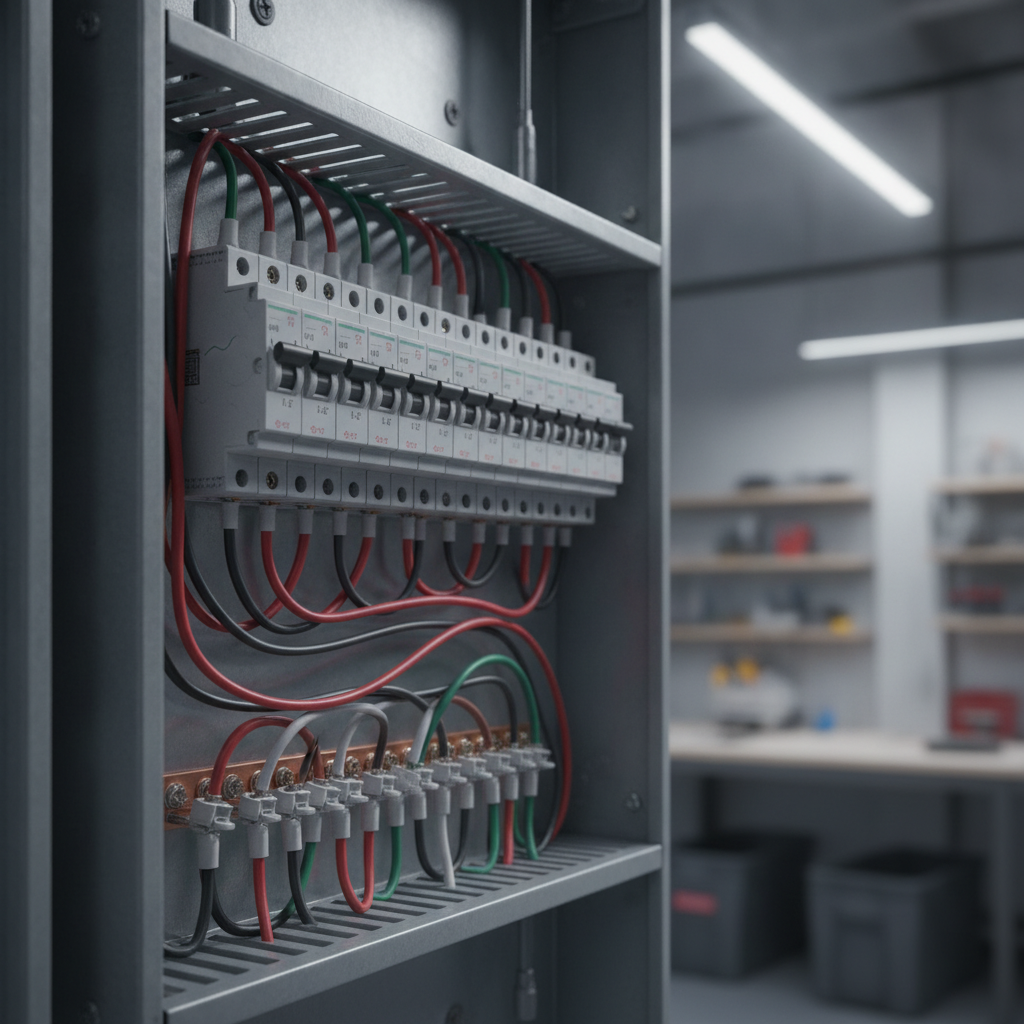
Why Whole-Home Rewiring Matters
Rewiring reduces fire and shock risk, supports today’s larger electrical loads, and streamlines inspections, insurance reviews, and resale. It future‑proofs your home for EV charging, heat pumps, and smart tech—without constant breaker trips or unsafe workarounds.
Electrical failures remain a common trigger for residential fires. Fault-interrupting devices help stop dangerous arcing and ground faults. Inspectors and insurers often flag two‑prong outlets, obsolete panels, and deteriorated insulation during sales or renewals—issues a full rewire can resolve with documented compliance.
- Risk reduction: modern copper conductors and proper overcurrent protection help prevent overheating in concealed spaces.
- Capacity: homes now support more 120V and 240V appliances, networked devices, and garage/shop loads; dedicated circuits and right‑sized wire gauges improve stability.
- Compliance: up‑to‑date wiring and labeling help you pass rough‑in and final inspections on schedule.
- Resale confidence: clear labeling and photo documentation ease buyer due diligence.
For homes with aluminum branch circuits, special connectors or rewiring strategies may be required to mitigate the risk of loose connections and overheating. Staging room by room limits disruption and keeps essentials live overnight.
- Assessment & design: map circuits, identify hazards, size loads, and plan dedicated runs for high‑draw appliances (range, dryer, HVAC, EVSE).
- Permits: coordinate with the Authority Having Jurisdiction (AHJ) and the utility for service/panel work. NEC adoption varies by jurisdiction.
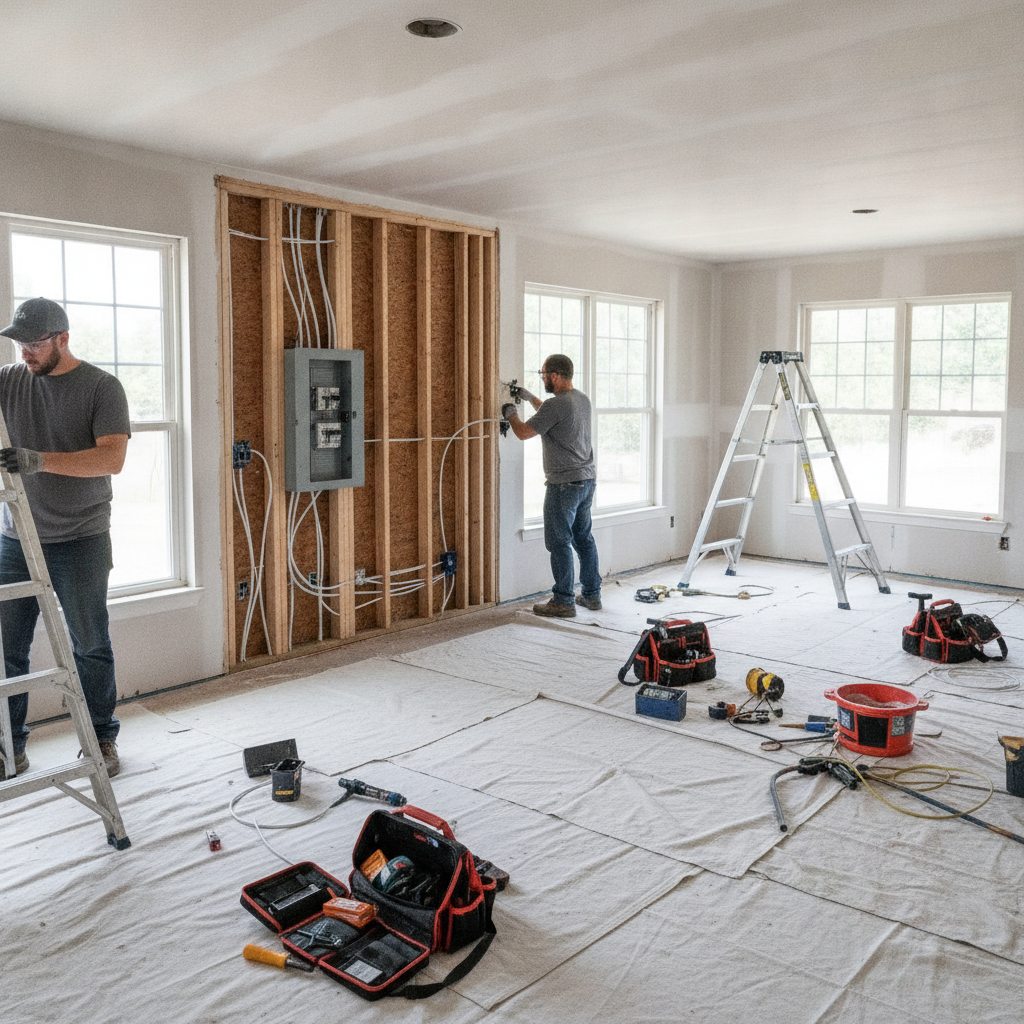
- Protection & access: floor coverings and dust containment; strategic access holes at plates and device boxes to minimize drywall repair.
- Safe demo: de-energize, verify, and remove outdated conductors and devices; cap and label temporary feeds.
- New cable runs: pull copper NM‑B or conduit‑fed THHN/THWN; respect bend radius; staple per spacing rules; use bushings and cable clamps.
- Devices & protection: install grounded, tamper‑resistant receptacles; GFCI in wet/outdoor areas; AFCI on most living‑area circuits.
- Panel upgrade: replace obsolete load centers; balance phases; add AFCI/GFCI breakers; ensure a compliant grounding electrode system.
- Testing & inspection: verify polarity, continuity, and device function; schedule rough and final inspections before close‑out.
In our experience across Tennessee, many single‑family rewires complete in roughly 5–10 working days when access is straightforward. Busy households often phase the work—bedrooms first, then kitchen and baths—so life stays on track. The right path depends on access, renovation timing, aluminum wiring presence, and future loads like EV charging or heat‑pump HVAC.
Common Approaches
- Full rewire (single pass): fastest route to full compliance and clean labeling—ideal if you’re already opening walls for remodeling.
- Phased rewire (by zone): sequence bedrooms and living areas, then kitchens/baths, then garage/outdoor—helps families live in place.
- Risk‑first remediation: prioritize aluminum branch circuits, ungrounded receptacles, bathroom/kitchen GFCI gaps, and obsolete panels.
Typical Circuit Strategy
- Kitchens: at least two 20‑amp small‑appliance circuits plus dedicated circuits for dishwasher, microwave, refrigerator, and range.
- Laundry: a 20‑amp 120V circuit for the washer and a dedicated dryer circuit (120V or 240V depending on appliance).
- HVAC & mechanicals: furnace/air handler, condenser/heat pump, water heater, well pump on dedicated runs sized per nameplate.
- EV charging readiness: allocate 240V capacity and panel space; plan conduit routing for future flexibility.
Not sure where to begin? Our team can benchmark your layout and suggest the least disruptive sequence. If you want more foundational steps, see our internal primer on house wiring steps.
Planning, Permits, and Local Considerations (Kingston, Roane County)
For Kingston projects near 937 Gallaher Rd in Roane County, align timelines with permit lead times, inspection windows, and utility coordination. Verify which NEC edition your jurisdiction enforces before finalizing design and panel sizing.
We coordinate with local inspectors, utility providers, and general contractors to stage rough‑ins before insulation/drywall and finals after devices/labeling. Expect at least two touchpoints with the AHJ. Organized documentation—panel schedules, load calculations, and photo logs—helps approvals move faster. Explore our service areas and the capabilities on our Kingston services page to see how we handle permitting across Tennessee.
Local considerations for 937 Gallaher Rd
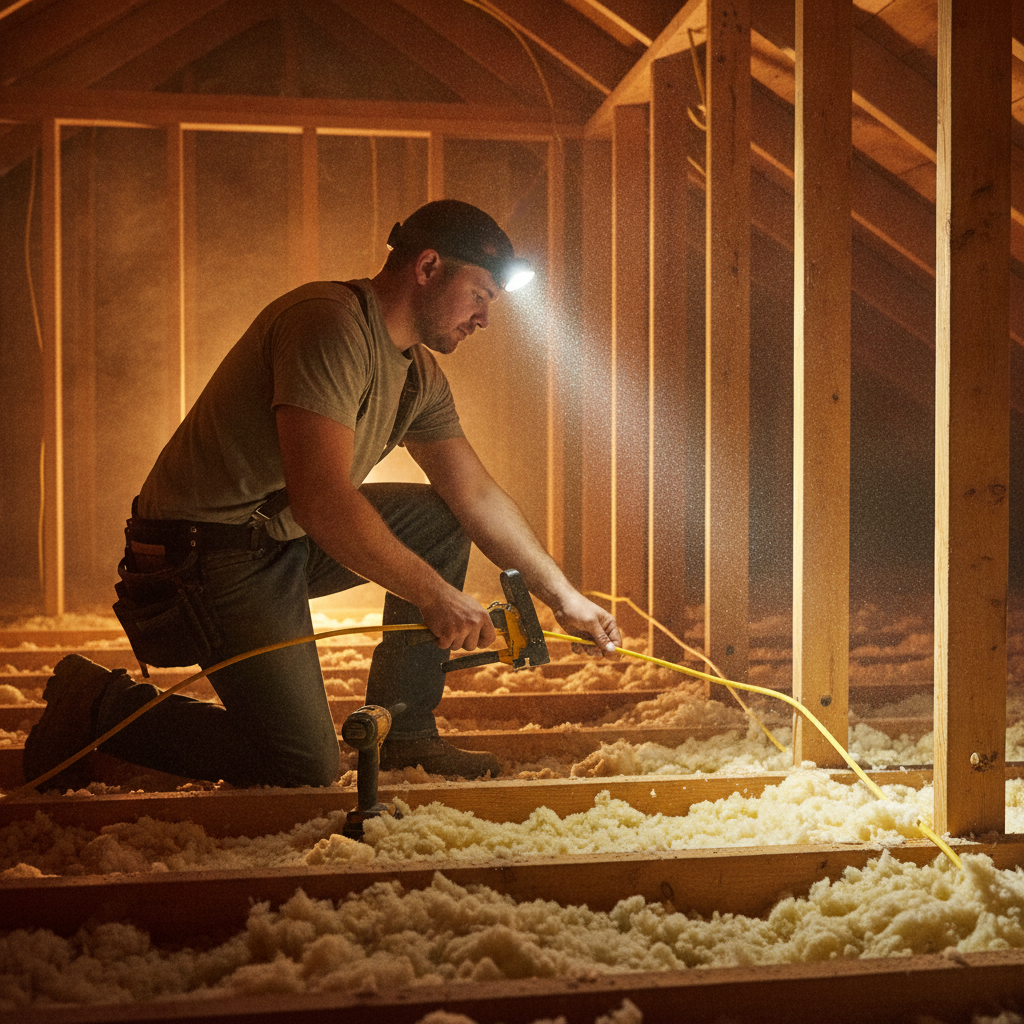
- Summer heat makes attics tough past midday; plan attic cable pulls in the morning for safer, cleaner work.
- During school seasons and holidays, phase bedrooms first so evenings remain normal, then finish kitchen and baths.
- For Roane County inspections, keep permits, panel specs, and load calcs in a single binder for quick reference.
Pricing Factors and Scope (No Numbers)
Whole‑home rewiring scope and pricing hinge on home size, access, panel condition, device count, code updates, and finish coordination. Photo‑rich documentation and clear labeling keep expectations aligned as walls open—no surprises mid‑project.
- Home size & access: story count, attic/crawlspace accessibility, and finished basements influence labor and staging.
- Panel & service: existing amperage, grounding electrode system, and meter placement may drive upgrade steps.
- Device density: outlet/switch counts plus dimmers, smart controls, and occupancy sensors shape device labor.
- Code updates: AFCI/GFCI rollout, tamper‑resistant receptacles, and interlinked smoke/CO alarms are common adds.
- Finish coordination: drywall/paint schedules and kitchen/bath cabinets or splashbacks affect sequencing.
Want to dig deeper into planning? Our team covers scope drivers in this internal explainer on home rewiring factors and a related overview on electrical rewiring planning.
Best Practices We Recommend
Document everything, prioritize safety devices, label meticulously, and leave capacity for tomorrow. Protect finishes each day and keep a shared punch list so everyone sees progress. These habits make inspections faster and future service easier.
- Document before/after: circuit maps, panel schedules, and photo logs help owners and inspectors alike.
- Safety first: GFCI where water is present; AFCI for most living spaces; tamper‑resistant receptacles in habitable rooms.
- Future‑proofing: leave extra spaces in the load center; add conduit to garages or attics for future EV or solar tie‑ins.
- Clear labels: every breaker and junction box labeled; print a panel directory that actually matches reality.
- Daily protection: floor protection, dust control, and end‑of‑day cleanup reduce disruption.
For a safety‑first checklist and a homeowners’ perspective, skim our concise rewiring safety guide. We keep families living in place whenever it’s practical.
Tools, Materials, and Helpful Resources
Use quality copper NM‑B, code‑rated boxes, and modern load centers with AFCI/GFCI breakers. Verify polarity and protective device function with professional‑grade testers, and keep current code references handy during design and rough‑in.
- Materials: copper NM‑B cable, code‑rated metallic/nonmetallic boxes, staples/straps, bushings, bonding jumpers.
- Protection devices: combination AFCI breakers for most living areas; GFCI where outlets may see moisture.
- Test gear: receptacle testers, multimeters, clamp meters, insulation resistance testers, and circuit tracers.
- References: check your locally adopted NEC edition and utility service standards for meter and panel work.
Want hands‑on clarity and photos of similar projects? Browse our project portfolio and the capabilities listed on our Kingston services page.
Mini Case Studies from Tennessee Homes
From 1950s cottages to 1990s colonials, recurring issues include ungrounded outlets, undersized panels, and ad‑hoc additions. A disciplined rewire with AFCI/GFCI protection and clean labeling eliminates chronic trips and improves day‑to‑day reliability.
- Kingston cottage (3 bed): ungrounded bedroom circuits; we phased work over 7 days, added AFCI bedroom protection, and dedicated laundry/kitchen runs.
- Roane County ranch: aluminum branch circuits and an obsolete panel; we remediated connections, upgraded the panel, and photo‑documented every circuit for the owner’s binder.
- Oak Ridge remodel: addition planned; we rough‑wired new spaces, upsized the panel, and left conduit for a future EV charger drop.
Approach Comparison at a Glance
Picking between a full rewire, a phased plan, or targeted fixes depends on access, renovation timing, and your risk profile. Use this table to match your situation with a practical path that balances safety, speed, and disruption.
| Option | Best For | Pros | Trade-offs |
|---|---|---|---|
| Full Rewire | Homes already opening walls | Fastest to full compliance; clean labeling | Most disruption in a short window |
| Phased Rewire | Occupied homes needing continuity | Bedrooms first; flexible scheduling | Longer overall timeline |
| Targeted Fixes | Specific hazards (aluminum, GFCI gaps) | Immediate risk reduction | Doesn’t solve system‑wide capacity/labeling |
Need a code-focused walkthrough?
A 45‑minute walkthrough with a licensed electrician can surface hazards, circuit gaps, and future‑proofing options. You’ll get a documented plan tied to your home’s layout and renovation timeline.
Schedule a friendly, no‑obligation assessment with our Kingston team. We’ll map circuits, note required protections, and align panel capacity with future plans like EV charging or a heat pump upgrade.
Frequently Asked Questions
These concise answers address timelines, living in place, permits, and how whole‑home rewiring pairs with panel upgrades and surge protection. They’re built for quick reading and voice answers.
Can I live at home during a full rewire?
Often, yes. Crews stage room by room, keep essential circuits live overnight when possible, and protect floors and furnishings. Expect brief shutdowns during panel work and inspections.
Do I need a permit for whole‑home rewiring?
Yes. Whole‑home rewiring involves permits and inspections. We coordinate approvals with the local Authority Having Jurisdiction and schedule rough and final inspections.
Will a new panel be required?
If the existing panel is obsolete or undersized, upgrading during the rewire is smart. It’s the best time to add capacity, install AFCI/GFCI breakers, and label circuits clearly.
How long does whole‑home rewiring take?
Many single‑family homes finish in roughly 5–10 working days when access is good. Phased projects or complex layouts take longer, but careful staging keeps daily life on track.
Key Takeaways and Next Steps
A clean, modern electrical system starts with solid planning, careful installation, and clear documentation. With licensed electricians managing design through inspection, you’ll gain safety, capacity, and confidence—without mid‑project surprises.
- Pick a path—full, phased, or targeted—based on access, renovation timing, and risk profile.
- Plan panel capacity for tomorrow’s loads (EVs, heat pumps, induction cooking).
- Insist on AFCI/GFCI protection, grounded circuits, and labeled directories.
- See how we work in our project portfolio, and confirm coverage on our service areas page.
Final CTA: Ready to plan your rewire in Kingston? Book a code‑focused walk‑through with Alpha9 Electric at our 937 Gallaher Rd base. We’ll align scope, staging, and documentation to your home and timeline.

Whole House Surge Protection: Keep Appliances Safe in 2026


